- Gold Au $3857.40 $1.54
- Silver Ag $47.41 $0.40
- Platinum Pt $1436.40 $-15.57
- Palladium Pd $982.00 $10.98
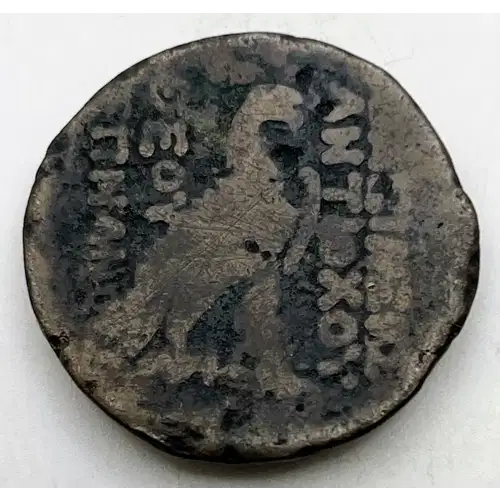
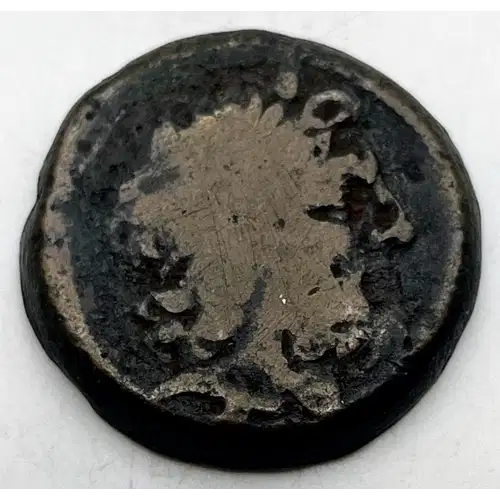
175-164 BC Seleucid Empire Antiochus IV AE34 Large Ancient Bronze Coin
Category: Greece Seleucid Kingdom 175-164 BC AE34 Antiochus IVDescription
This ancient bronze AE34, struck between 175 and 164 BC during the reign of Antiochus IV Epiphanes, is a substantial example of Hellenistic coinage from the Seleucid Empire. The obverse features a prominent right-facing portrait bust of the king, distinguished by his characteristic facial profile, wavy hair, and a traditional royal diadem, reflecting the classical Greek artistic traditions of the period. The reverse showcases a full-length depiction of the god Zeus standing and facing left, holding a tall sceptre in one hand while extending the other forward, accompanied by surrounding Greek inscriptions identifying the issuing authority. The design reflects the importance of Zeus as a symbol of divine authority and royal legitimacy within the Seleucid monarchy. Struck on a broad, thick bronze planchet measuring approximately 34 millimeters in diameter, this piece exhibits circulated preservation with recognizable central imagery and distinctive ancient striking characteristics. The surfaces display an attractive combination of deep charcoal-brown and nearly black patination, complemented by lighter earthen highlights across the raised devices and subtle greenish undertones within the recessed fields, emphasizing the coin's considerable antiquity and historic character.