- Gold Au $3857.40 $1.54
- Silver Ag $47.41 $0.40
- Platinum Pt $1436.40 $-15.57
- Palladium Pd $982.00 $10.98
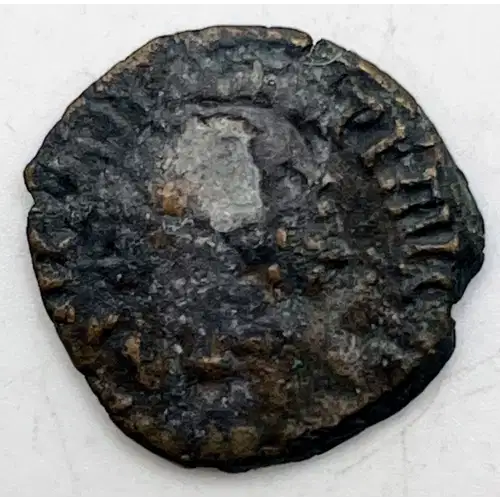
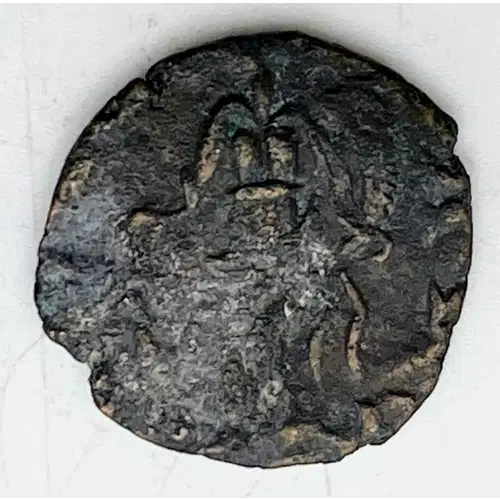
286-287 AD Romano British Empire Carausius Antoninianus Earlier Style Ancient
Category: Roman Imperial British Empire AD 286/7-293 AE Dbl-Denarius CarausiusDescription
This ancient bronze antoninianus, struck between 286 and 287 AD during the early reign of Carausius, is a distinctive example of the earliest Romano-British imperial coinage issued following his establishment of an independent regime in Britain and parts of northern Gaul. Originally a Roman naval commander, Carausius assumed imperial authority in 286 AD and began producing his own currency to reinforce his political legitimacy and military control. The obverse features a right-facing portrait bust of the emperor, distinguished by his traditional radiate crown, characteristic facial profile, and military attire, reflecting the earlier stylistic conventions employed during the initial years of his reign. This early portraiture provides an interesting glimpse into the developing artistic traditions of the breakaway Romano-British Empire. Struck on a slightly irregular bronze planchet using traditional ancient minting techniques, this piece exhibits circulated preservation with recognizable imperial imagery and distinctive third-century striking characteristics. The surfaces display a rich combination of dark charcoal-brown and nearly black patination, complemented by subtle greenish undertones and warm earthy highlights, emphasizing the coin's considerable antiquity and historical significance as an early issue of Carausius.