- Gold Au $3857.40 $1.54
- Silver Ag $47.41 $0.40
- Platinum Pt $1436.40 $-15.57
- Palladium Pd $982.00 $10.98
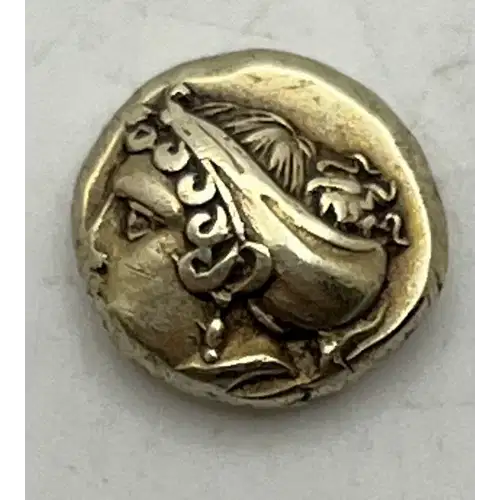
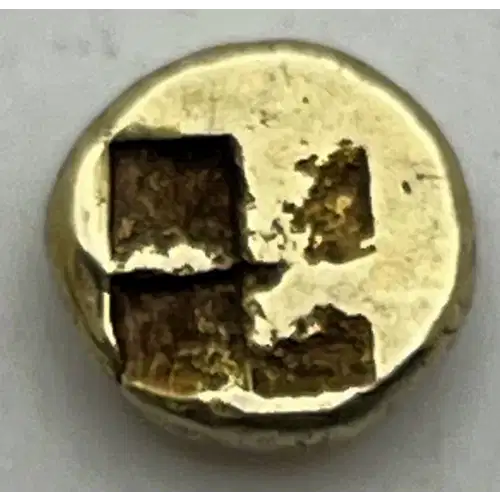
478-387 BC Greek Ionia Phokaia Electrum Hekte 1/6 Stater 2.52g Bodenstedt 92
Category: Ionia Phokaia Ancient Greek Electrum 1/6 Stater
Credit Card
Price
–
+
Description
This ancient Greek electrum hekte, or one-sixth stater, was struck at the city of Phokaia in Ionia, located along the western coast of Asia Minor in present-day Turkey, between approximately 478 and 387 BC. Weighing 2.52 grams and cataloged as Bodenstedt 92, this attractive ancient coin represents the sophisticated artistry and monetary traditions of one of the ancient Greek world's most important maritime trading centers. Struck in electrum, a precious alloy of gold and silver, the coin features a beautifully rendered left-facing female portrait with her hair gathered into an elaborate cloth headdress known as a sakkos, complemented by a delicate pendant earring. Behind the portrait is a small seal, the distinctive civic emblem of Phokaia, whose name was associated with the Greek word for seal. The opposite side features a traditional quadripartite incuse square, formed by a four-part punch during the ancient minting process, a characteristic design found on many early Greek electrum issues. Phokaia was particularly renowned for its electrum coinage, which circulated throughout the ancient Mediterranean and reflected the city's extensive commercial connections and economic importance. The specimen exhibits a rich golden-yellow coloration with subtle darker accents within the recessed design elements, creating an appealing contrast that emphasizes the portrait's intricate engraving and sculptural relief. Its compact, irregularly shaped flan and distinctive incuse reverse further highlight the ancient techniques used to manufacture these remarkable pieces. This desirable example of classical Greek coinage offers collectors a tangible connection to the flourishing maritime commerce, artistic achievements, and monetary history of ancient Ionia, making it an excellent addition to any collection of ancient Greek gold, electrum, or early world coinage.