- Gold Au $3877.50 $21.70
- Silver Ag $47.71 $0.71
- Platinum Pt $1481.00 $29.17
- Palladium Pd $988.50 $17.61
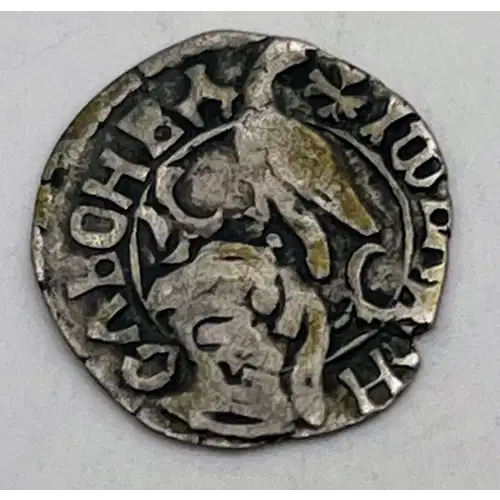
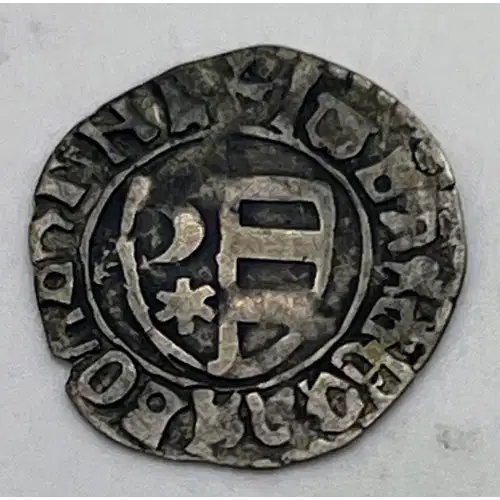
1446-1448 Wallachia Vladislav II AR Duvat 17mm 0.37g Medieval European Silver
Category: Moldavia & Wallachia 1 DucatDescription
This medieval silver ducat, struck in Wallachia during the reign of Voivode Vladislav II between 1446 and 1448 AD, is a scarce example of fifteenth-century Eastern European feudal coinage. Issued during a period of intense political rivalry between regional powers, this distinctive coin reflects the heraldic traditions of the ruling Basarab dynasty. The obverse features a prominent divided heraldic shield, with one half displaying a crescent and star while the opposing section contains three horizontal bars, symbolizing the dynastic authority of the Wallachian rulers. The reverse showcases the traditional Wallachian coat of arms, depicting an eagle perched upon an elaborate medieval knight's helmet, its head turned backward in a distinctive heraldic pose. Decorative elements surround the central imagery, with medieval Cyrillic lettering arranged along the outer peripheries of both sides. Struck on a thin, slightly irregular silver planchet measuring approximately 17 millimeters in diameter and weighing 0.37 grams, this piece exhibits attractive circulated preservation with well-defined heraldic devices and distinctive hammered striking characteristics. The surfaces display a pleasing combination of silver-grey highlights and deeper charcoal toning concentrated within the recessed fields, creating an appealing contrast that emphasizes the coin's medieval craftsmanship and historical significance.