- Gold Au $3856.00 $0.00
- Silver Ag $47.41 $0.40
- Platinum Pt $1434.00 $-17.97
- Palladium Pd $980.50 $9.51
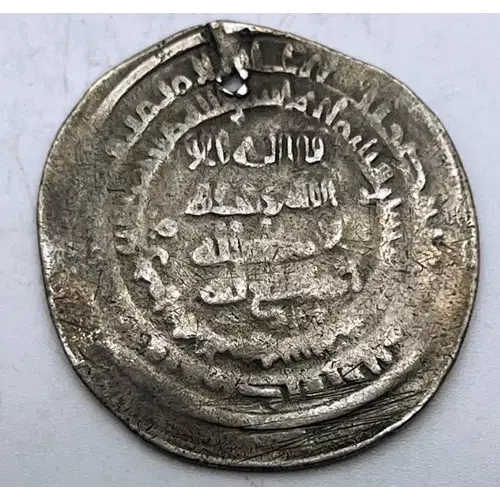
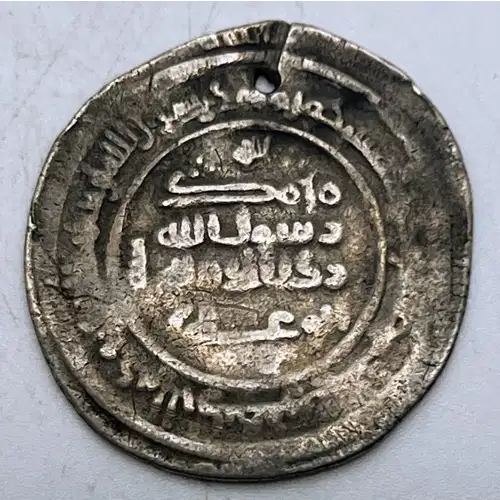
908-932 AD Abbasid Caliphate Al-Muqtadir Billah AR Dirham 3.63g 26.5mm
Category: Medieval Islamic Silver Dirham
Credit Card
Price
–
+
Description
his ancient silver dirham, struck during the reign of Abbasid Caliph Al-Muqtadir Billah between 908 and 932 AD, is a distinctive example of early tenth-century Islamic coinage from the Abbasid Caliphate. Al-Muqtadir ruled from Baghdad during a period of considerable political and cultural activity, when the Abbasid monetary system supported extensive commercial networks connecting the Middle East, North Africa, Central Asia, and beyond. Both sides feature traditional Islamic calligraphic designs, with Arabic inscriptions arranged in carefully organized horizontal lines within central circular fields, surrounded by additional inscriptions extending along the outer margins. These inscriptions reflect the religious declarations, caliphal authority, and administrative traditions characteristic of Abbasid silver coinage, which emphasized written expressions of faith and political legitimacy rather than figurative imagery. The coin's distinctive concentric borders and flowing Arabic script demonstrate the sophisticated artistic conventions employed by Islamic mint engravers during the medieval period. Struck on a broad, slightly irregular silver planchet measuring approximately 26.5 millimeters in diameter and weighing 3.63 grams, this piece exhibits attractive circulated preservation with recognizable calligraphic details and characteristic hammered striking features. The surfaces display a pleasing combination of silver-grey highlights and deeper charcoal toning concentrated within the recessed inscriptions, complemented by subtle earthy undertones that enhance its historical character. This Abbasid dirham represents an appealing example of medieval Islamic monetary history and the enduring influence of the Abbasid Caliphate on commerce, culture, and coinage throughout the Islamic world.