Published by
Joe Palmieri
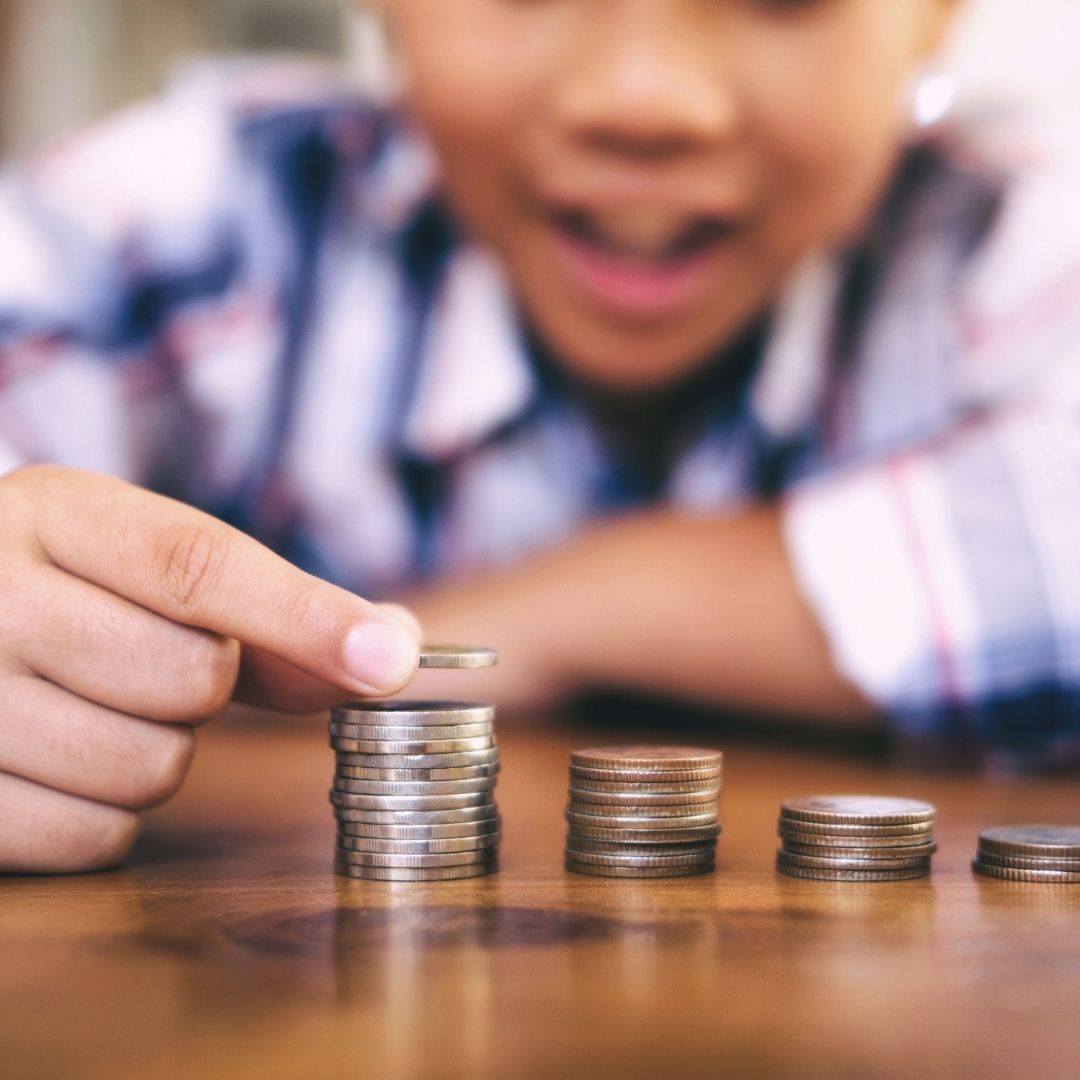
Coin collecting, or numismatics, is a fantastic hobby for kids, blending history, art, and a treasure-hunt thrill. It’s affordable, educational, and endlessly engaging. Here’s how to spark your child’s interest with family-friendly activities, themed collections, and resources that make learning fun!
Why Coin Collecting Appeals to Kids
Coins tell stories—about people, places, and events. Kids love the idea of holding history in their hands, and the shiny, tactile nature of coins feels like discovering treasure. Plus, it’s a hobby that grows with them, teaching patience, organization, and even basic economics.
Fun Activities to Get Started
Here are some hands-on ways to introduce kids to coin collecting:
1. Hunt for Coins in Pocket Change
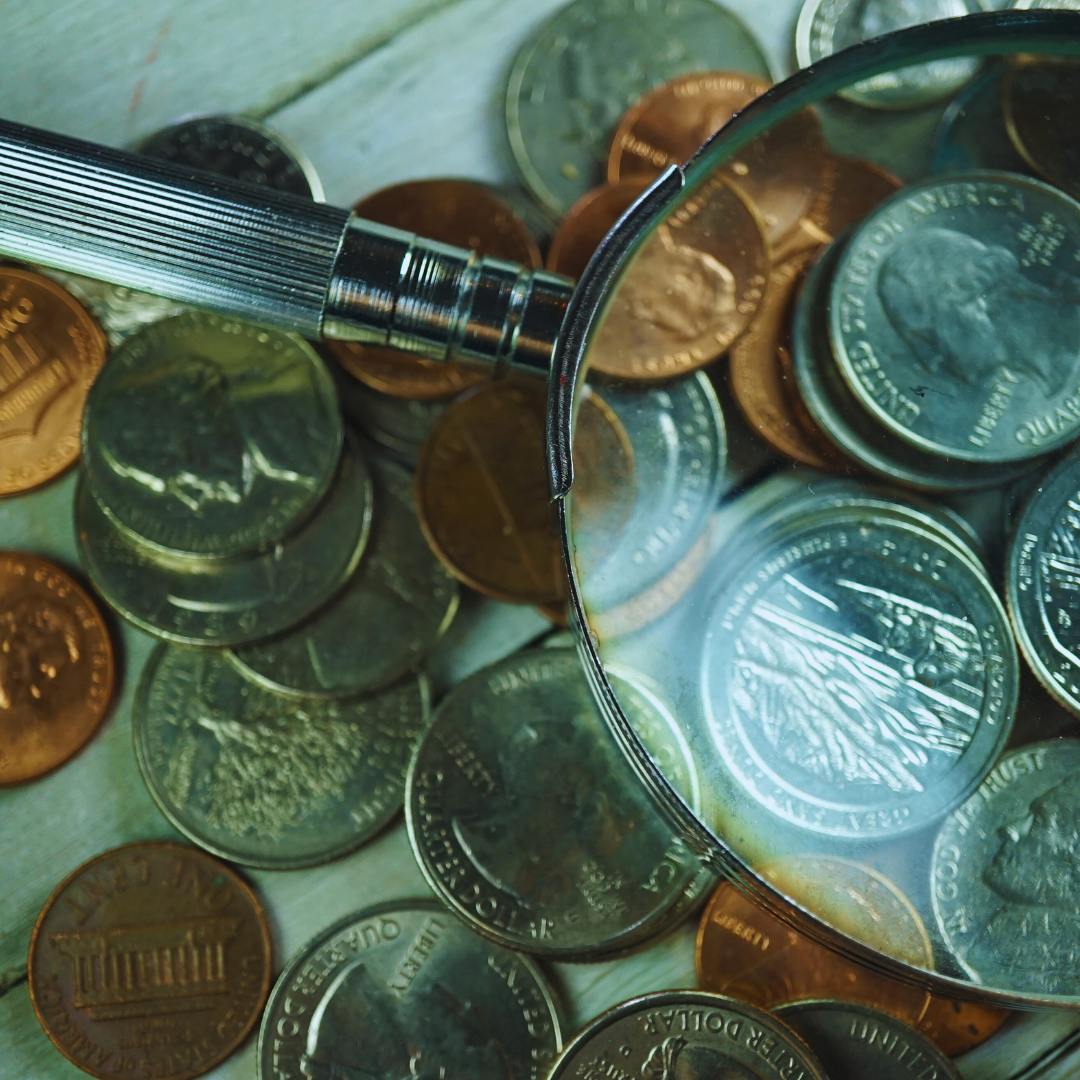
- Activity: Turn everyday change into a treasure hunt. Give kids a jar to collect coins from allowances, errands, or loose change around the house. Challenge them to find coins from different years, states, or designs.
- Why It Works: It’s free, exciting, and teaches kids to observe details like mint marks (tiny letters showing where a coin was made) or unique designs.
- Tip: Start with pennies or quarters, which are common and often feature fun designs like the 50 State Quarters (1999–2008).
2. Create a Themed Collection
- Activity: Help kids pick a theme they love, such as:
- Animals: Collect coins with creatures, like Canada’s Loonie, Australia’s Kangaroo 50-cent coin, or U.S. quarters featuring wildlife (e.g., the 2019 National Park quarters with bats or bison).
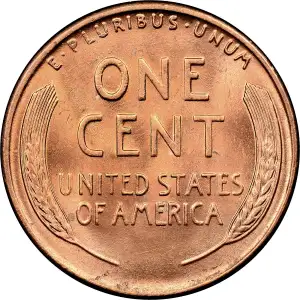
- Presidents: Focus on U.S. Presidential $1 coins (2007–2016) or Lincoln pennies, exploring the history of each figure.
- Sports or Events: Seek modern commemorative coins, like those for the Olympics or special anniversaries.
- Why It Works: Themes tap into kids’ interests, making collecting personal and meaningful.
- Tip: Use a coin album or folder (available for $5–$10 at hobby stores) to organize and display their collection.
3. Visit a Coin Show or Museum
- Activity: Attend a local coin show or a museum with numismatic exhibits. Many shows have kid-friendly tables with free or low-cost coins and activities. For example, the American Numismatic Association (ANA) hosts events with youth programs.
- Why It Works: Kids see rare coins, meet collectors, and feel part of a community.
- Tip: Check the ANA’s website (money.org) for events near you or virtual tours of their Money Museum.
4. Play Coin Games
- Activity: Try these games to make learning fun:
- Coin Bingo: Create bingo cards with coin features (e.g., “1969 penny,” “quarter with an eagle”). Kids mark squares as they find matching coins.
- Guess the Year: Hide a coin’s year and have kids guess it based on design or historical clues.
- Coin Sorting Race: Time kids as they sort coins by denomination, year, or mint mark.
- Why It Works: Games turn learning into play, reinforcing observation and math skills.
- Tip: Reward winners with a shiny new coin to add to their collection.
Educational Resources for Young Collectors
These resources make coin collecting a learning adventure:
Books:
- The Kids’ Guide to Collecting State Quarters by Dan Brownell: A colorful, kid-friendly intro to the 50 State Quarters program.
- Coin Collecting for Kids by Steve Otfinoski: Includes fun facts and activities, with a foldable coin holder.
Websites:
- U.S. Mint for Kids (usmint.gov/kids): Offers games, videos, and info on U.S. coins, like the America the Beautiful Quarters series.
- American Numismatic Association (money.org): Features a “Young Numismatist” section with quizzes and collecting tips.
Apps:
- CoinScope: A mobile app where kids can scan coins to learn their value and history (free, with in-app purchases).
- PCGS CoinFacts: A kid-friendly way to explore coin details and values (free, web-based).
- Local Clubs: Search for numismatic clubs on X or through the ANA’s directory. Many offer free youth memberships or mentorship programs.
Tips for Parents
- Start Small: Begin with inexpensive coins (e.g., pennies, nickels) to keep it low-pressure. Modern commemorative coins, like National Park quarters, are affordable (face value or slightly above).
- Teach Value Without Overemphasizing It: Focus on the fun and history, not just a coin’s market price, to avoid stress. For example, a 1969-S penny might be worth $1–$10 unless it’s a rare error.
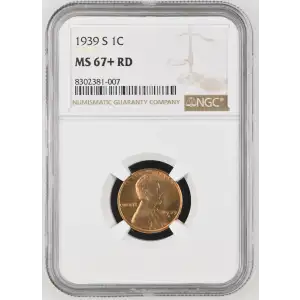
- Safe Storage: Use coin flips or albums to protect coins. Teach kids not to clean coins, as it can lower their value.
- Encourage Curiosity: Let kids research their coins’ stories using library books or online resources. Ask questions like, “Why do you think this coin has a ship on it?”
Why It’s Worth It
Coin collecting sparks a lifelong love of learning. Kids gain skills in research, organization, and critical thinking while building a collection they can treasure for years. Plus, it’s a hobby you can enjoy together as a family. Stop by Beantown Coins for starting coins and supplies!
Beantown Coins & Jewelry
Buy. Sell. Trade. Appraise.