Published by
Joe Palmieri
Numismatics is often seen as a niche pastime for history buffs and treasure hunters. But is it just a hobby, or can it be a savvy investment? The answer lies in a delicate balance between passion and profit. While some collectors chase the thrill of uncovering rare pieces steeped in history, others eye coins as tangible assets with potential to appreciate over time. In this post, we’ll explore the pros of collecting for fun versus collecting for value, using real-world examples to show how numismatics can be both a joy and a financial win.
Collecting for Fun: The Joy of the Hunt
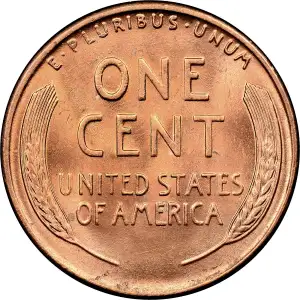
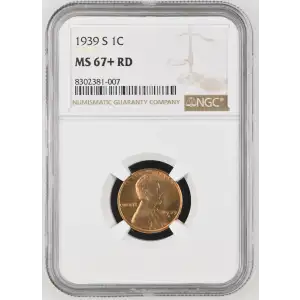
For many, numismatics is about the stories etched into metal. Each coin is a time capsule—whether it’s a worn Roman denarius or a pristine 1969-S Lincoln Cent. The appeal lies in the hunt: scouring coin shows, estate sales, or even pocket change for that one elusive piece.
Pros of Collecting for Fun
- Personal Fulfillment: Building a collection around a theme—like U.S. commemoratives or ancient Greek coins—creates a sense of achievement. For example, completing a set of State Quarters can feel like assembling a puzzle of American history.
- Learning Opportunities: Researching coins deepens your knowledge of history, metallurgy, and art. Collectors often become mini-experts on eras like the Byzantine Empire or the U.S. Gilded Age.
- Community Connection: Joining clubs like the American Numismatic Association or attending events like the World’s Fair of Money fosters friendships. Swapping stories (and coins) builds bonds that last decades. Local coin shows are also a great way to meet like-minded members from the community. Use CoinZip to search for the nearest coin show in your area.
Real Example: The Joy of a 1969-S Lincoln Cent
Consider the 1969-S Lincoln Cent with a doubled die obverse, a variety that excites collectors for its rarity and visual quirk. One hobbyist, John from Ohio, shared on a numismatic forum how finding this coin in a $50 roll of pennies sparked his lifelong passion. For him, the $2,000 value of the coin in MS-63 condition was secondary to the thrill of discovery. His collection, built for love, not profit, now includes over 200 Lincoln Cents, each with a story.
Collecting for Value: Coins as Assets
On the flip side, numismatics can be a strategic investment. Coins, especially rare or high-grade ones, often appreciate due to scarcity, historical significance, or precious metal content. Unlike stocks, coins are tangible—you can hold a piece of history while hedging against inflation.
Pros of Collecting for Value
- Appreciation Potential: Rare coins can skyrocket in value. For instance, the 1933 Double Eagle, a U.S. gold coin, sold for $18.9 million at auction in 2021, a staggering leap from its $20 face value.
- Diversification: Coins offer a hedge against volatile markets. Silver and gold coins, like Morgan Dollars or Krugerrands, often track bullion prices, providing stability.
- Liquidity: High-demand coins can be sold quickly through auctions or dealers, unlike some illiquid investments like real estate.
Real Example: The 1804 Silver Dollar
The 1804 Silver Dollar, known as the “King of American Coins,” is a prime case. Only 15 are known to exist, and one sold for $7.68 million in 1999. A collector who bought a lower-grade example in the 1970s for $10,000 saw it appreciate to over $1 million by 2010. This shows how targeting key dates and conditions (like Mint State-65) can yield returns rivaling traditional investments.
The Trade-Offs: Fun vs. Value
Collecting for fun and collecting for value aren’t mutually exclusive, but they pull in different directions:
- Time and Effort: Hobbyists might spend years chasing a rare variety for the joy of it, while investors focus on coins with proven market demand, like pre-1933 U.S. gold. The latter requires research into grading (e.g., PCGS or NGC standards) and market trends.
- Cost: Building a fun collection can be cheap—think $5 for a circulated Mercury Dime. Investing demands capital; a single high-grade 1913 Liberty Head Nickel could cost millions.
- Risk: Hobbyists risk little beyond time, but investors face fakes, market dips, or overpaying for ungraded coins. Authentication (via services like PCGS) is critical.
Blending Passion and Profit
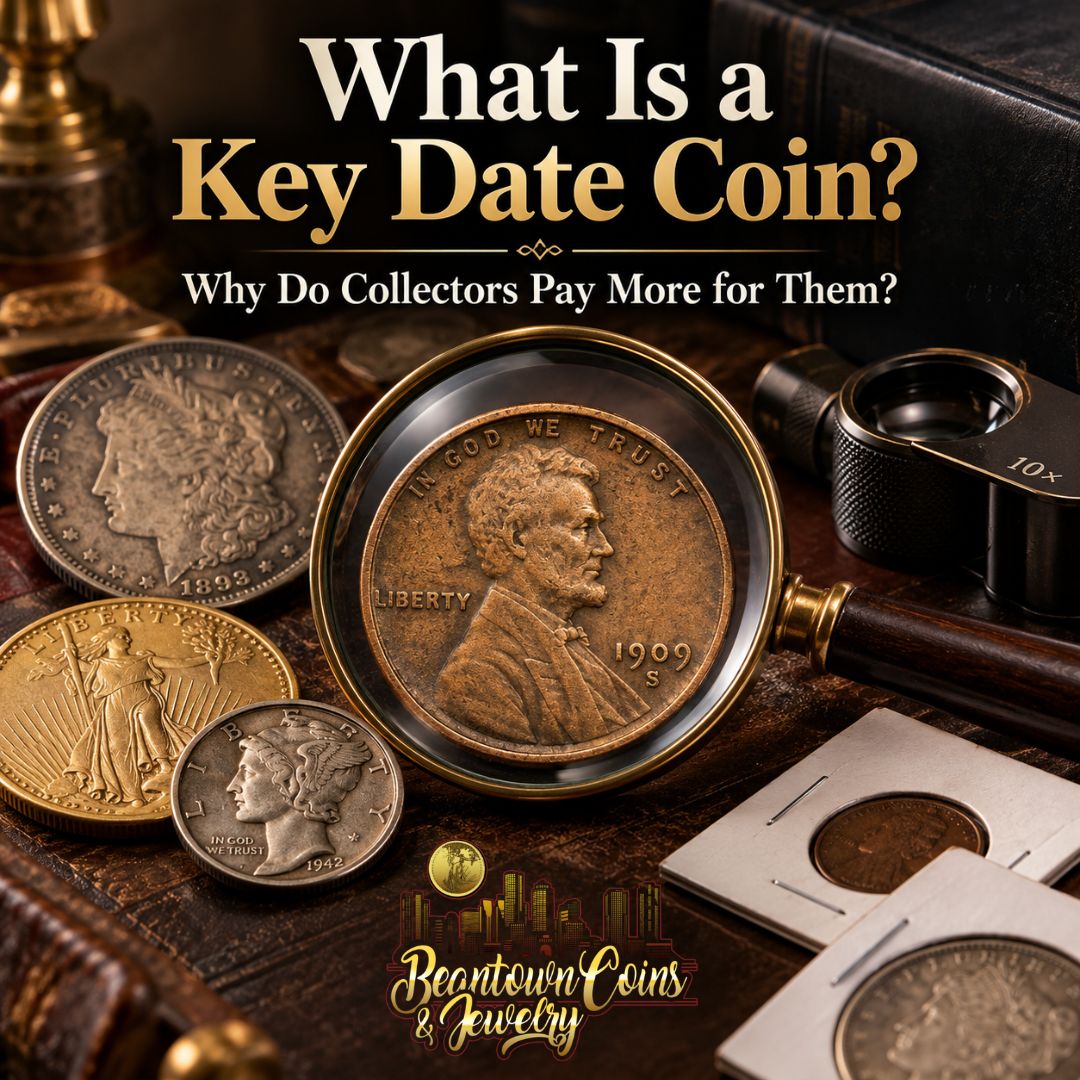
The smartest collectors blend both approaches. Take Sarah, a numismatist who started collecting Indian Head Cents for their beauty. Over time, she learned to spot key dates like the 1909-S, which can fetch $500-$1,000 in Fine condition. By focusing on quality and rarity, her collection grew in both sentimental and monetary value, recently appraised at $15,000.
Tips for Balancing Fun and Investment
- Start Small, Learn Big: Begin with affordable coins like Wheat Pennies, but study their varieties (e.g., 1955 Doubled Die) for hidden value.
- Grade Wisely: Invest in coins graded by reputable services like PCGS or NGC to ensure authenticity and marketability.
- Track Trends: Follow auction results on platforms like Heritage Auctions to spot rising stars, like modern commemoratives or world coins from emerging markets.
- Enjoy the Journey: Choose coins that spark joy—maybe ones tied to your heritage or favorite historical period—while keeping an eye on their market potential.
A Hobby That Pays Dividends
Numismatics is more than a hobby because it offers dual rewards: the thrill of collecting and the potential for financial gain. Whether you’re chasing the rush of finding a rare 1969-S Lincoln Cent or banking on an 1804 Silver Dollar’s million-dollar legacy, coins blend passion with profit. The key is knowing your goals—fun, value, or both—and building a collection that reflects them. So, grab a loupe, hit a coin show, and start your journey!
Beantown Coins & Jewelry
Buy. Sell. Trade. Appraise.