Published by
Joe Palmieri
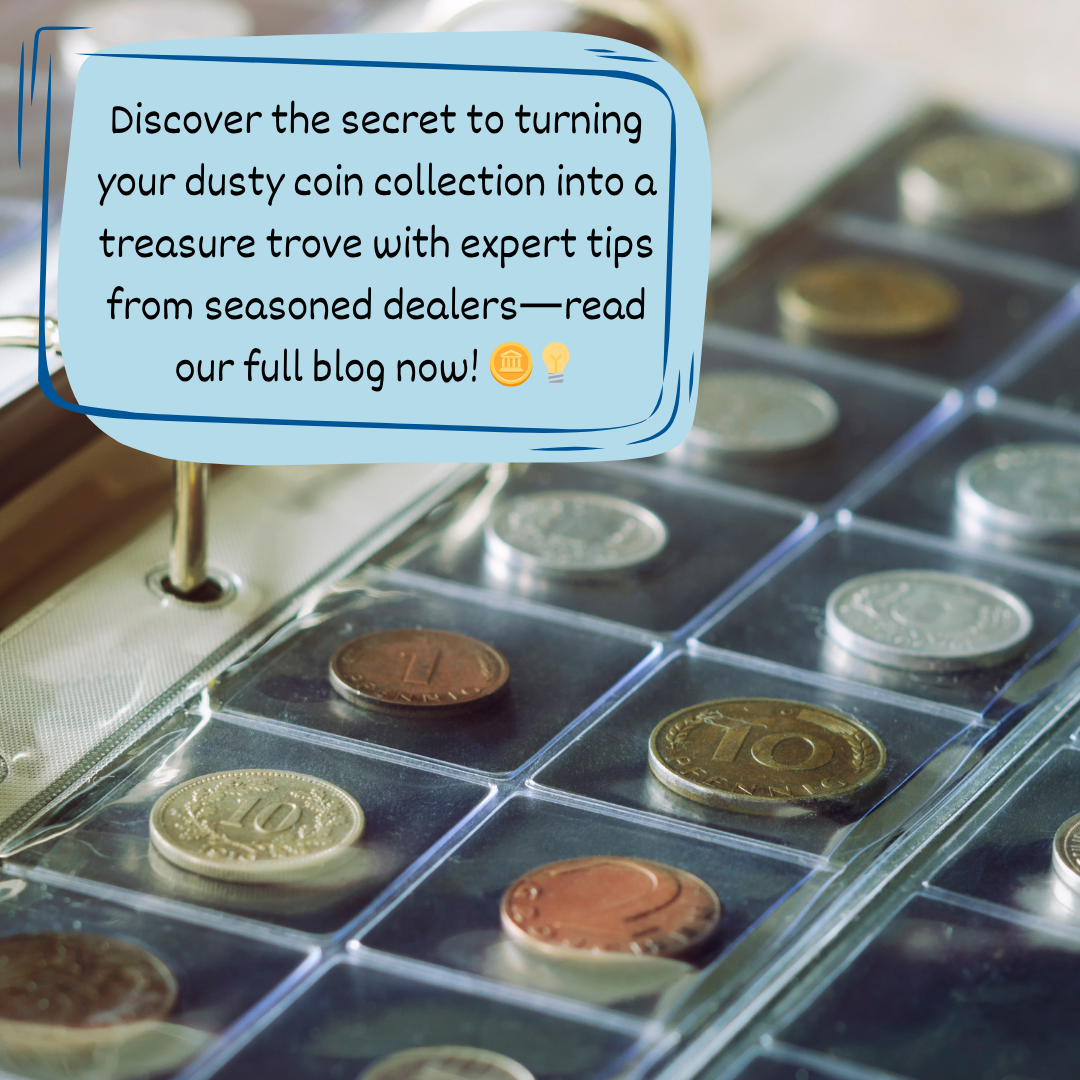
As coin dealers with years of experience, we've seen countless customers walk through the shop’s doors with bags, boxes, and binders full of coins. Some are meticulously organized, while others are a chaotic jumble. If you’re planning to bring your coin collection to a dealer—whether to sell, appraise, or trade—a little preparation can make the process smoother, faster, and potentially more profitable for you. Here are our top tips and tricks for preparing your coins before visiting a coin dealer.
1. Organize Your Collection
A well-organized collection saves time for both you and the dealer, allowing us to focus on evaluating your coins rather than sorting through a mess.
- Sort by Type: Group your coins by type (e.g., pennies, nickels, dimes, quarters, or by country if you have world coins). Separate U.S. coins from foreign coins, and sort by denomination or year if possible.
- Use Holders or Containers: Place coins in 2x2 cardboard flips, plastic holders, or coin tubes to keep them safe and organized. Avoid loose coins in bags or jars, as they can get scratched or damaged.
- Label When Possible: If you know specific details (e.g., year, mint mark, or key dates), label the holders. This helps us quickly identify potentially valuable pieces.
Pro Tip: If you’re unsure about a coin’s value, don’t glue or tape it to anything. We have seen rare coins lose value because they were taped to paper or stuck in albums with adhesive.
2. Clean, But Don’t Over-Clean
One of the biggest mistakes customers make is cleaning their coins improperly. While it’s natural to want your coins to look shiny, cleaning can drastically reduce their value.
- Leave Most Coins Alone: Collectors and dealers prefer coins in their original condition. Cleaning can remove the natural patina or introduce micro-scratches, lowering the coin’s grade and value.
- Gentle Dusting Only: If a coin is dusty or has light surface dirt, use a soft, dry microfiber cloth to gently wipe it. Never use metal polishes, soaps, or abrasive materials.
- Avoid Harsh Chemicals: Household cleaners, vinegar, or baking soda can ruin a coin’s surface. If you suspect a coin is valuable, bring it to the dealer as-is for professional advice.
Pro Tip: If you’re unsure whether a coin needs cleaning, don’t touch it. Let the dealer assess it first—cleaned coins are often worth less than their untouched counterparts.
3. Research Key Dates and Mint Marks
A little research can help you understand what you have and set realistic expectations.
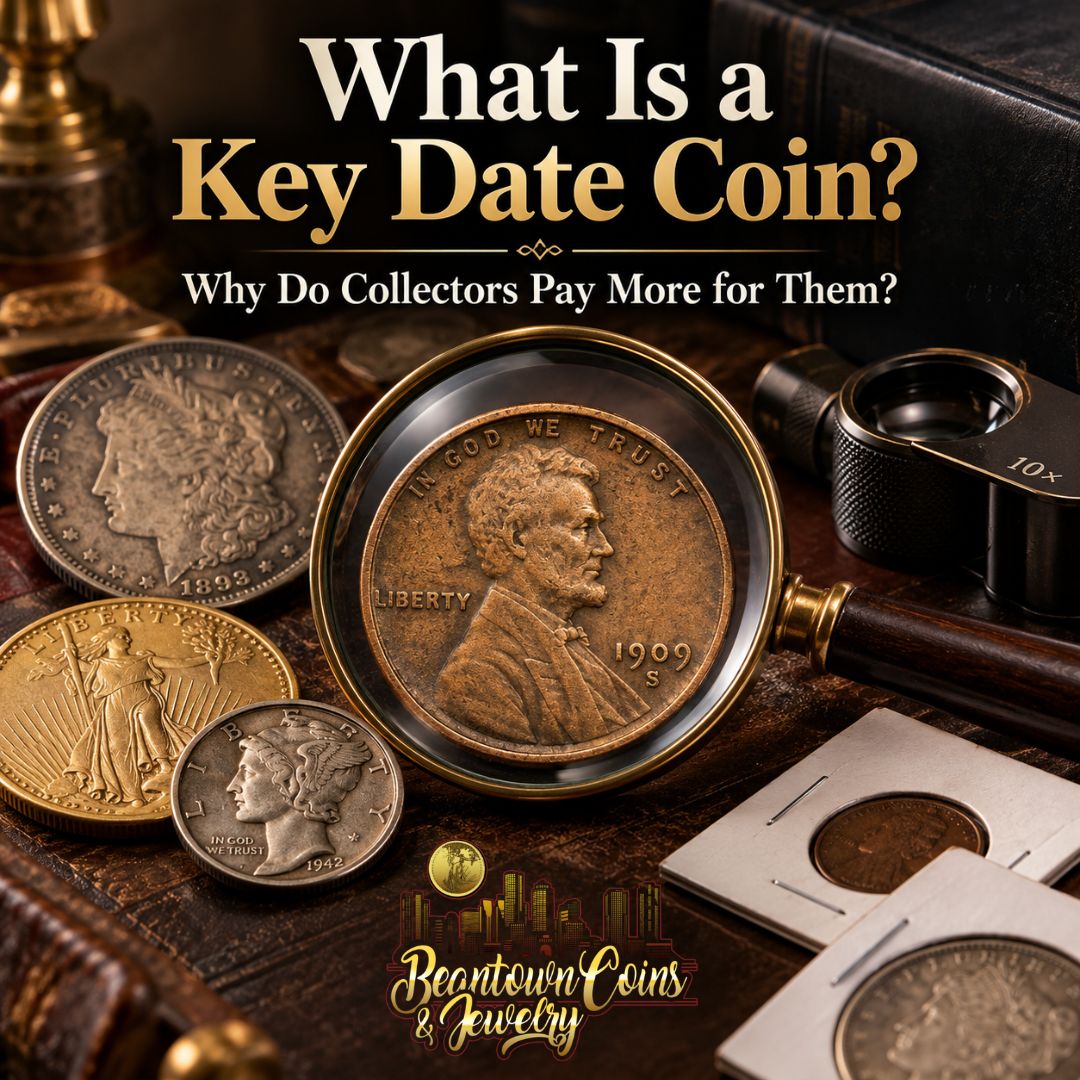
- Check for Key Dates: Some coins, like the 1909-S VDB Lincoln Penny or the 1916-D Mercury Dime, are rare and valuable. Look up key dates for the types of coins in your collection.
- Identify Mint Marks: Mint marks (e.g., “S” for San Francisco, “D” for Denver) can significantly affect a coin’s value. They’re usually found on the reverse (back) or obverse (front) of the coin.
- Use Reliable Resources: Websites like PCGS (Professional Coin Grading Service) or NGC (Numismatic Guaranty Corporation) offer guides on key dates and values. Books like the “Red Book” (A Guide Book of United States Coins) are also excellent.
Pro Tip: Don’t expect every old coin to be valuable. Age doesn’t always equal rarity—circulation numbers and condition matter more.
4. Document Your Collection
Providing some basic documentation can help the dealer assess your coins efficiently and build trust.
- Create a Simple Inventory: List your coins with basic details like year, denomination, mint mark, and any known grades or conditions (e.g., “1969-S Penny, uncirculated”).
- Note Provenance: If a coin has a story—like being inherited or purchased from a specific auction—mention it. Provenance can add value or context.
- Take Clear Photos: If you’re bringing a large collection, snap clear photos of key pieces to share with the dealer in advance. This can help them prepare for your visit.
Pro Tip: Don’t exaggerate or guess at grades (e.g., calling a coin “Mint State” without professional grading). Let the dealer evaluate the condition.
5. Protect Your Coins During Transport
How you transport your coins to the shop matters. Mishandling can lead to damage, which could lower their value.
- Use Secure Containers: Place coins in a sturdy box, padded bag, or album to prevent them from rattling around. Avoid loose coins in pockets or plastic baggies.
- Keep Valuable Coins Separate: If you suspect certain coins are rare or valuable, store them separately in individual holders to avoid mixing them with common coins.
- Avoid Extreme Conditions: Don’t leave coins in a hot car or expose them to moisture, as this can cause damage like spotting or corrosion.
Pro Tip: If you’re bringing a large collection, call ahead to check if an appointment is needed. This ensures the dealer has enough time to review your coins thoroughly.
6. Be Honest About Alterations or Damage
Transparency is key when working with a dealer. If you know a coin has been altered, repaired, or damaged, disclose it upfront.
- Mention Repairs: If a coin has been glued, polished, or otherwise altered, let the dealer know. They’ll spot it anyway, and honesty builds trust.
- Point Out Damage: Scratches, dents, or corrosion can affect value. Noting these issues helps the dealer assess the coin accurately.
Pro Tip: Don’t try to hide damage or pass off a replica as genuine. Experienced dealers can spot fakes or alterations, and it could harm your credibility.
7. Understand Your Goals
Before visiting, clarify why you’re bringing your coins to the dealer. This helps us tailor our evaluation to your needs.
- Selling: If you want to sell, know that dealers offer wholesale prices (lower than retail) to resell at a profit. Be realistic about offers.
- Appraisal: If you just want a value estimate, let the dealer know. Some may charge for formal appraisals, but casual estimates are often free.
- Trading: If you’re trading for other coins, bring a list of what you’re looking for to streamline the process.
Pro Tip: Research recent sales of similar coins on auction sites, like eBay, to get a ballpark idea of value, but know that dealer prices may differ.
8. Bring Proper Identification
For legal and security reasons, dealers often require identification when buying coins, especially for high-value transactions.
- Have ID Ready: Bring a government-issued ID like a driver’s license or passport. For large transactions, some dealers may also ask for a second form of ID.
- Expect Paperwork: For large transactions, you may need to fill out forms for tax or anti-money laundering regulations.
Pro Tip: If you’re selling inherited coins, bring any documentation (like a will or estate papers) to clarify ownership.
9. Be Prepared for Questions
Dealers ask questions to better understand your collection and offer fair deals.
- Where Did You Get the Coins?: This helps us assess provenance and authenticity.
- What’s Your Goal?: Knowing whether you want to sell, appraise, or trade helps us focus our evaluation.
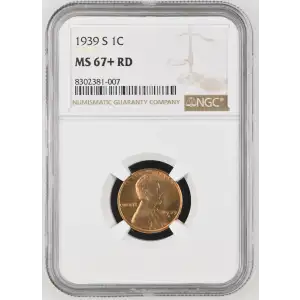
- Have They Been Graded?: If your coins are professionally graded by PCGS or NGC, let us know—it saves time and adds credibility.
Pro Tip: Don’t be offended if we ask about authenticity. Counterfeits are common, and we’re trained to verify before buying.
10. Have Realistic Expectations
Not every coin is a hidden treasure, and dealers need to make a profit to stay in business.
- Understand Market Value: A coin’s value is based on rarity, condition, and current market demand—not sentimental value.
- Expect Fair Offers: Dealers typically offer 50-80% of a coin’s retail value, depending on its liquidity and condition.
- Be Open to Feedback: If your coins aren’t valuable, we’ll explain why and may suggest keeping them for sentimental reasons or future appreciation.
Pro Tip: If you’re unsure about an offer, get a second opinion from another reputable dealer or have your coins professionally graded before selling.
Final Thoughts
Bringing your coins to a dealer can be an exciting experience, whether you’re uncovering a rare gem or simply learning about your collection. By organizing your coins, handling them carefully, and coming prepared with realistic expectations, you’ll make the process easier for everyone. A little preparation goes a long way in ensuring you get the most value—whether it’s financial or educational—from your visit.
If you’re ready to bring in your coins, give Beantown Coins a call at (857) 294-7820 to discuss the process or schedule a visit. Happy collecting!
Beantown Coins & Jewelry
Buy. Sell. Trade. Appraise.