
Published by
Joe Palmieri
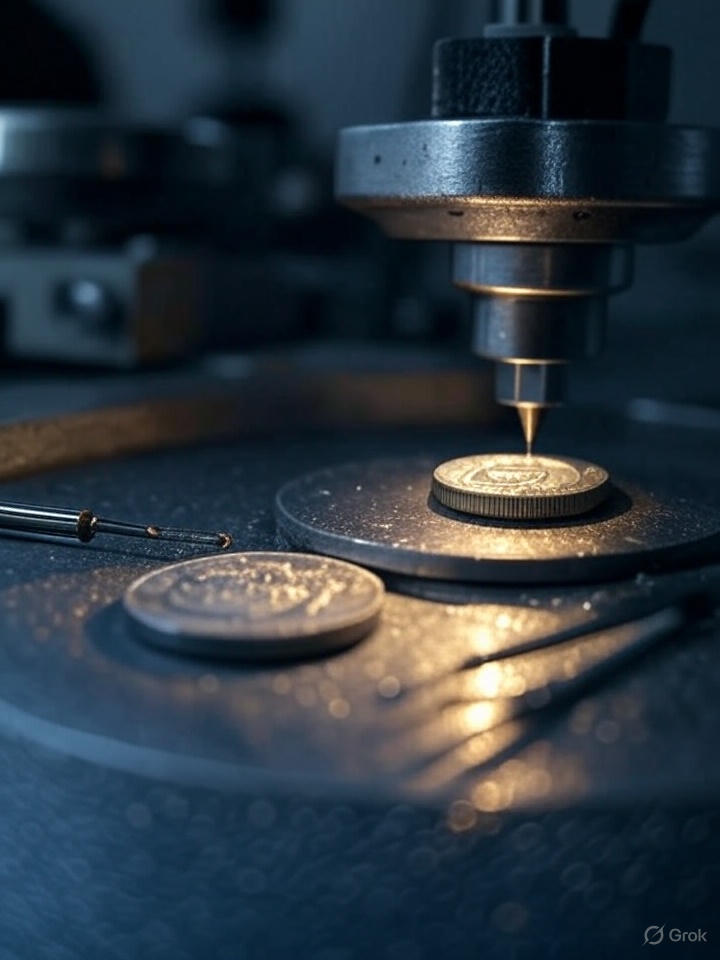
Coin collecting is more than just acquiring rare pieces of metal—it’s an appreciation of the artistry, history, and craftsmanship embedded in each coin. The intricate designs on coins tell stories of cultures, commemorate significant events, and reflect the technological advancements of their time. In this blog post, we’ll dive into the fascinating world of coin design, exploring how these miniature works of art are created, the symbolism they carry, and how modern technology has transformed the minting process.
The Craftsmanship Behind Coin Design
Creating a coin is a meticulous process that blends artistry with precision engineering. Historically, coin designs were crafted by skilled engravers who hand-carved designs into metal dies. These artisans, often trained for years, used tools like chisels and hammers to etch intricate details into the die, which would then be used to strike coins. The level of skill required was immense, as even a minor error could ruin the entire design.
Take, for example, the iconic 1794 Flowing Hair Silver Dollar, one of the first coins minted by the United States. Its design, featuring Lady Liberty with flowing hair, was hand-engraved by Robert Scot, the first Chief Engraver of the U.S. Mint. The delicate lines and subtle details of Liberty’s portrait showcase the artistry of early coin design, despite the rudimentary tools of the era.
Today, while the essence of craftsmanship remains, the process has evolved significantly. Modern coin designers use a combination of traditional sketching and digital tools to create their designs. Artists begin with sketches or digital renderings, which are then translated into detailed models using software like CAD (Computer-Aided Design). These models are used to create master dies with incredible precision, ensuring consistency across thousands of coins.
Symbolism in Coin Design
Coins are more than currency—they are miniature canvases that convey a nation’s identity, values, and history. The imagery and inscriptions on coins are carefully chosen to reflect cultural significance or commemorate important events. For example:
- The American Eagle Silver Dollar: This coin features a depiction of Liberty striding forward with an olive branch and torch, symbolizing peace and enlightenment. The reverse showcases an eagle, a universal emblem of strength and freedom in the United States.
- Ancient Greek Tetradrachms: These silver coins often depicted gods, goddesses, or city-state symbols, such as Athena and her owl on Athenian coins, representing wisdom and protection.
- Commemorative Coins: Modern mints often issue coins to mark significant events, like the 2000 Australian Sydney Olympics coins, which celebrated athleticism and national pride through dynamic designs of athletes and iconic landmarks.
Every element of a coin’s design—down to the placement of stars, laurels, or inscriptions—carries meaning. Even the choice of metal, whether gold, silver, or copper, can symbolize wealth, durability, or accessibility. Collectors often seek coins not just for their rarity but for the stories their designs tell, making numismatics a window into history.
The Impact of Modern Technology
The advent of modern technology has revolutionized coin minting, allowing for unprecedented detail and creativity. Here are a few ways technology has transformed the art of coin design:
- Laser Engraving: Modern mints use laser technology to etch intricate details into dies, enabling designs with finer lines and more complex patterns than hand-engraving could achieve. This has led to coins with stunning high-relief designs, such as the Royal Canadian Mint’s 3D-effect coins.
- Digital Design Tools: Software allows designers to experiment with multiple iterations of a design before committing to a final version. This flexibility has led to more creative and experimental coin designs, such as glow-in-the-dark or colorized coins.
- Advanced Minting Techniques: Innovations like proof finishes, frosted reliefs, and micro-text inscriptions have elevated coins to new levels of artistry. For instance, the U.S. Mint’s 2021 Morgan Dollar Centennial release used modern minting techniques to recreate a classic design with enhanced clarity and detail.
- Security Features: Modern coins, especially those used as legal tender, often incorporate anti-counterfeiting measures like micro-engraved patterns or holographic elements, blending art with functionality.
These advancements have not only improved the aesthetic quality of coins but also made them more accessible to collectors. Limited-edition coins with innovative designs, such as the Perth Mint’s rotating coin series or the U.K.’s colorized Harry Potter-themed coins, attract both seasoned numismatists and new enthusiasts.
Why Coin Design Matters to Collectors
For coin collectors, the artistry of a coin is often as important as its rarity or value. A beautifully designed coin can evoke a sense of awe, connecting the collector to the history and culture it represents. Whether it’s the classical elegance of a Roman denarius or the sleek modernity of a limited-edition commemorative coin, the design is what brings a coin to life.
At Beantown Coins, we celebrate the art of coin design by curating a collection that showcases both historical craftsmanship and modern innovation. From hand-engraved classics to cutting-edge proof coins, our inventory reflects the timeless beauty of numismatics. Visit us to explore coins that tell stories through their designs, and join our newsletter for updates on new arrivals and exclusive releases!
Beantown Coins & Jewelry
Buy. Sell. Trade. Appraise.