Published by
Joe Palmieri
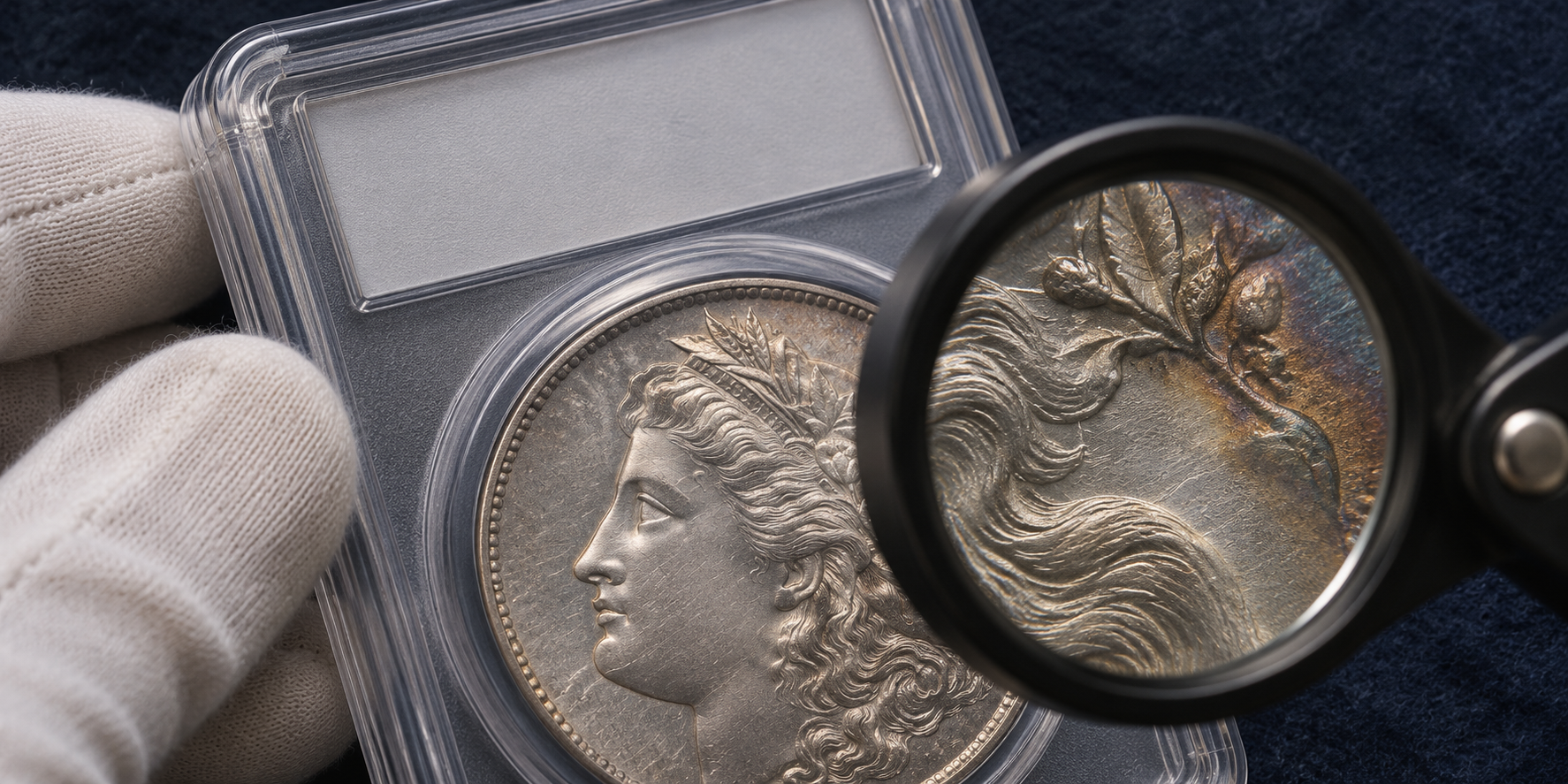
As a trusted coin shop with years of experience in numismatics, Beantown Coins prioritizes the integrity of every collection. In the digital marketplace, platforms like eBay offer incredible opportunities to expand your holdings, but they also harbor risks from counterfeiters and scammers. Fake slabs—counterfeit protective holders from grading services like PCGS or NGC—and doctored coins, which are altered to appear more valuable, can deceive even the most seasoned collectors.
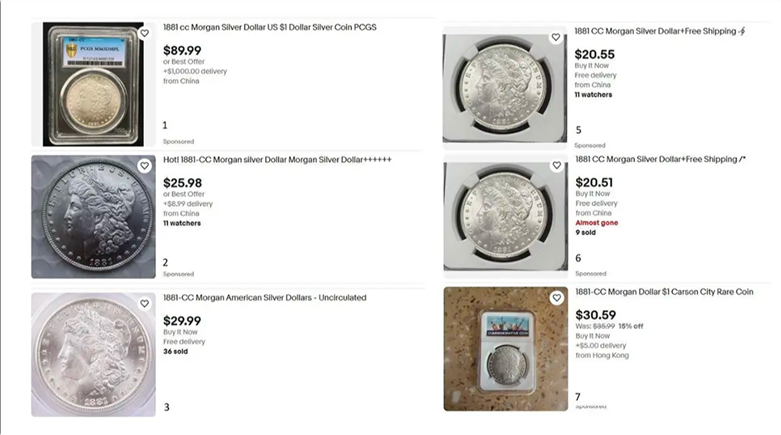
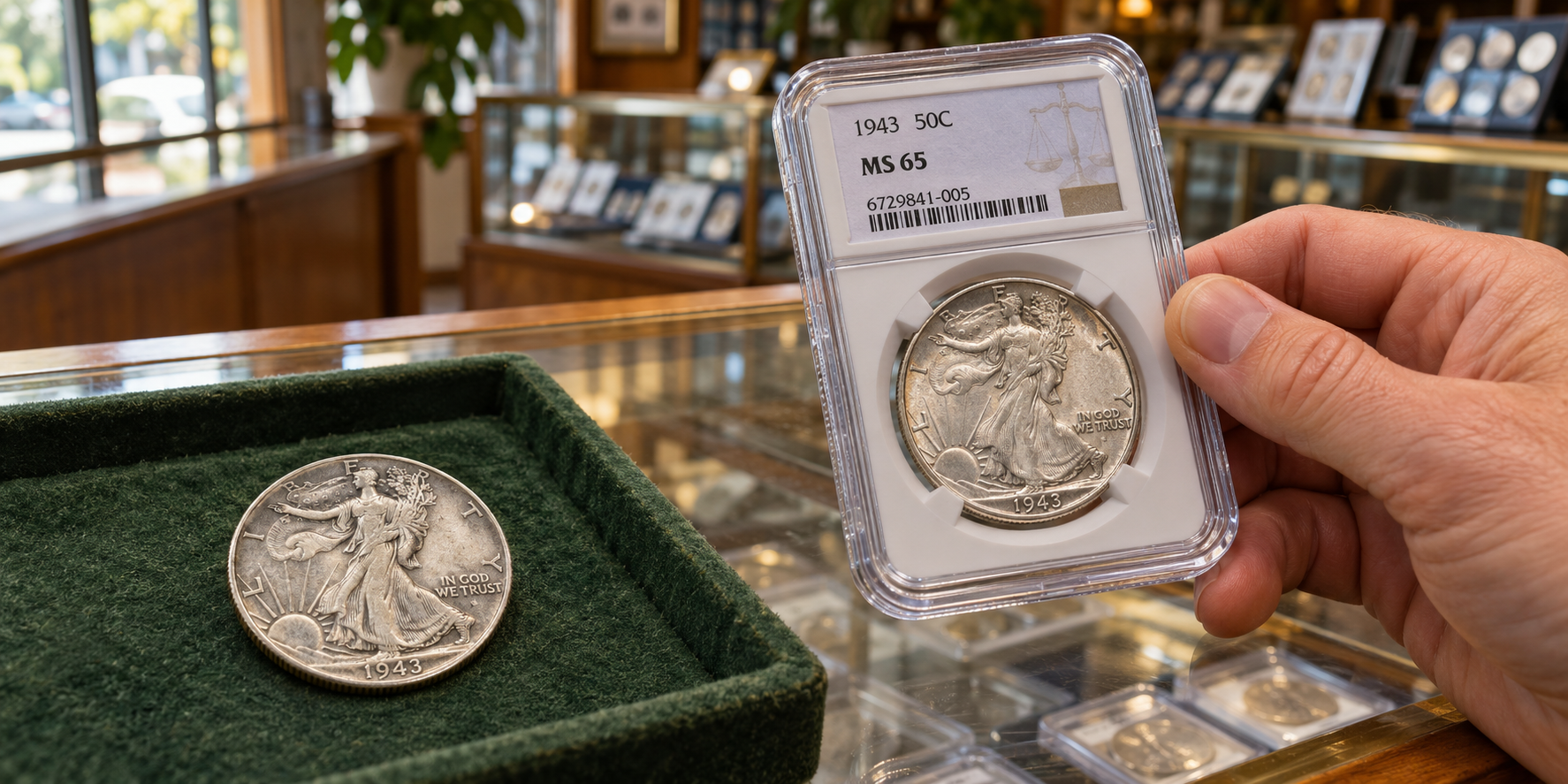
These screenshots from actual eBay incidents underscore the sophistication of modern fakes. In this post, we'll equip you with the knowledge to help identify these red flags and provide a practical checklist for safer online purchases.
Understanding Fake Slabs and Doctored Coins
Slabs are tamper-evident plastic holders used by professional grading services such as Professional Coin Grading Service (PCGS) and Numismatic Guaranty Corporation (NGC). They encapsulate coins, assign grades (e.g., MS-65 for Mint State 65), and include certification numbers for verification. Unfortunately, counterfeiters replicate these slabs to house fake or lower-grade coins, tricking buyers into overpaying.
Doctored coins, on the other hand, are genuine pieces that have been artificially enhanced. Common methods include harsh cleaning to remove patina, adding artificial toning with chemicals, or even tooling to hide scratches. These alterations can inflate a coin's apparent value but often lead to devaluation upon professional scrutiny.
The rise of these issues on eBay stems from the platform's vast reach and anonymous sellers. Reports from collector communities highlight how scammers use photoshopped images or mismatched certification details to mislead buyers.
Key Red Flags to Watch For on eBay
When browsing eBay listings, vigilance is key. Here are the most common warning signs based on insights from grading services and collector forums:
1. Suspiciously Low Prices: If a rare coin, like an 1881-CC Morgan Dollar in a high-grade slab, is listed far below market value, it's often too good to be true. Compare with recent auction results from sites like Heritage Auctions.
2. Poor or Inconsistent Photos: Legitimate sellers provide high-resolution images from multiple angles. Red flags include blurry shots, stock photos, or images that don't match the description. Scammers may photoshop details to hide flaws.
3. Mismatched Certification Details: Always cross-check the slab's certification number on the official PCGS or NGC website. Fakes often have valid numbers but point to different coins. Additionally, scan the barcode using the NGC app—if it doesn't match, walk away.
4. Physical Slab Anomalies: Examine the slab for weak holograms, misspelled labels, incorrect fonts, or signs of tampering like uneven seals. Counterfeit slabs may feel lighter or have printing errors.
5. Seller Profile Issues: New sellers with zero feedback, or those with a history of negative reviews related to authenticity, should raise alarms. Avoid international sellers without clear return policies, as recovering funds can be challenging.
6. Doctored Coin Indicators: Look for unnatural toning (e.g., rainbow colors that seem painted on), overly shiny surfaces on older coins, or hidden wear patterns. Professional grading can reveal these, but pre-purchase scrutiny is essential.
Checklist for Safe Online Buying
To protect your investment, follow this step-by-step checklist before clicking "Buy It Now":
| Step | Action | Why It Matters |
| 1 | Verify the certification number on PCGS or NGC's official site. | Ensures the slab matches the described coin and grade. |
| 2 | Scan the barcode with the grading service's app (e.g. NGC app). | Detects mismatches between the label and actual data. |
| 3 | Request additional high-res photos and inspect for tampering signs. | Reveals physical flaws like weak ink or uneven edges. |
| 4 | Check the seller's feedback and return policy. | Builds confidence in the transaction's legitimacy. |
| 5 | Compare prices with market data from trusted sources. | Avoids "bargains" that are actually scams. |
| 6 | Use eBay's Money Back Guarantee and report suspicious listings. | Provides recourse if issues arise post-purchase. |
| 7 | Consider third-party authentication if in doubt. | Adds an extra layer of professional verification. |
By adhering to this checklist, you can significantly reduce risks and enjoy the thrill of online collecting.
Final Thoughts: Trust in Expertise
While eBay can be a treasure trove for numismatists, the prevalence of fake slabs and doctored coins reminds us of the value in buying from established dealers. At Beantown Coins, every coin we sell is authenticated, graded accurately, and backed by our guarantee. If you're unsure about an online find, bring it to us for a free evaluation—we're here to help build collections with confidence. Stay informed, stay cautious, and happy collecting!
Beantown Coins & Jewelry
Buy. Sell. Trade. Appraise.